

Freedom From Emotional Eating: Part 5
The article explores how emotional eating develops through learned associations between food and comfort, celebration, and relief. It emphasizes that these patterns arise from societal influences and personal experiences rather than inherent weaknesses. Recovery involves changing one’s relationship with food through understanding and awareness, allowing for healthier choices and freedom.

Freedom From Emotional Eating: Part 4
The post explores the phenomenon of emotional eating, highlighting the internal conflict when individuals eat despite not being physically hungry. It emphasizes recognizing the persuasive thoughts that drive this behavior and asserts that recovery starts when individuals realize they can choose not to follow these thoughts, suggesting that learned patterns can also be unlearned.

Freedom From Emotional Eating: Part 3
Emotional eating carries hidden costs beyond weight gain, primarily affecting self-perception. Frequent guilt and shame can erode self-trust and confidence, limiting personal goals and opportunities. Recognizing these impacts is vital for recovery, as rebuilding self-trust through aligned actions can restore confidence and freedom, allowing individuals to reclaim their lives.

Freedom from Emotional Eating: Part 2
Addiction is not just a lack of willpower; it’s the loss of freedom. Recovery involves reclaiming ownership of one’s decisions rather than merely resisting cravings. It’s about consciously choosing based on values instead of emotions. Freedom isn’t perfect control over cravings but recognizing that they don’t dictate choices, allowing for personal empowerment and purpose.

Freedom from Emotional Eating: Part 1
The original meaning of “addict” reveals that emotional eating is about losing freedom, not just poor self-control. Cravings divert decision-making, promising relief while increasing dependence. Recovery starts by recognizing the true decision-maker behind each choice, reclaiming ownership, and realizing that the quest is ultimately for personal freedom rather than food.
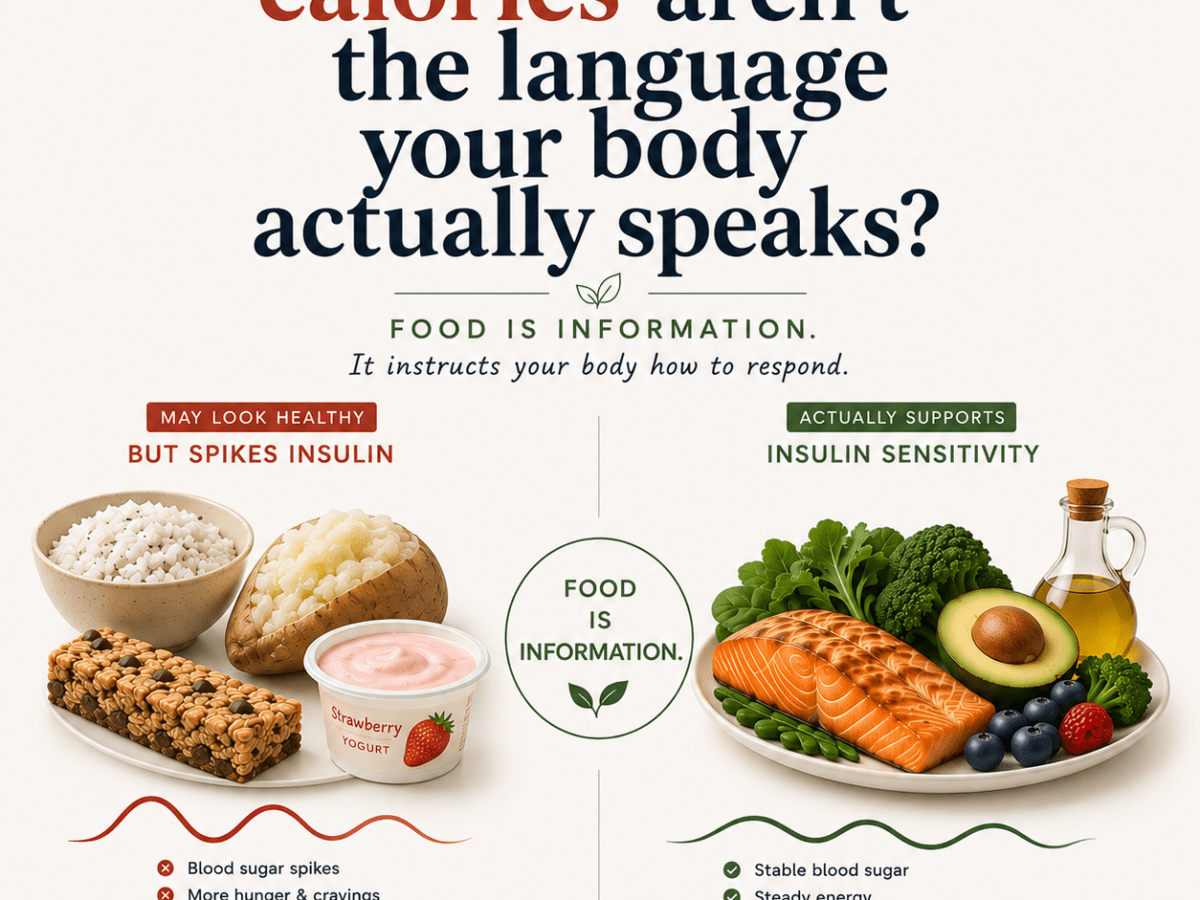
What if calories aren’t the language your body actually speaks?
The focus on weight loss has traditionally been on calorie counting, but this approach overlooks how the body biologically responds to different foods. Insulin plays a key role in energy management and fat storage. Improved metabolic efficiency, through nutritious food choices and lifestyle adjustments, enhances insulin sensitivity, stabilizes hunger, and promotes healthy weight naturally.

Understanding Oils and Inflammation: A Simple Guide to Healthier Fats
Fats are vital for health, aiding in vitamin absorption and energy provision. The source and processing level of fats matter, with fruit oils like olive, avocado, and coconut being more beneficial than highly processed seed oils. Limiting refined seed oils can help reduce inflammation and promote overall health.

Not All Fish Are Equal: Understanding Toxins, Farming, and the Best Sources of Omega-3
Fish is a healthy food source rich in omega-3s, but the type selected matters due to toxin accumulation in larger, longer-living species. Smaller fish like sardines, which are lower on the food chain, contain fewer toxins and are sustainable options. Prioritizing wild-caught fish can further enhance nutritional quality.
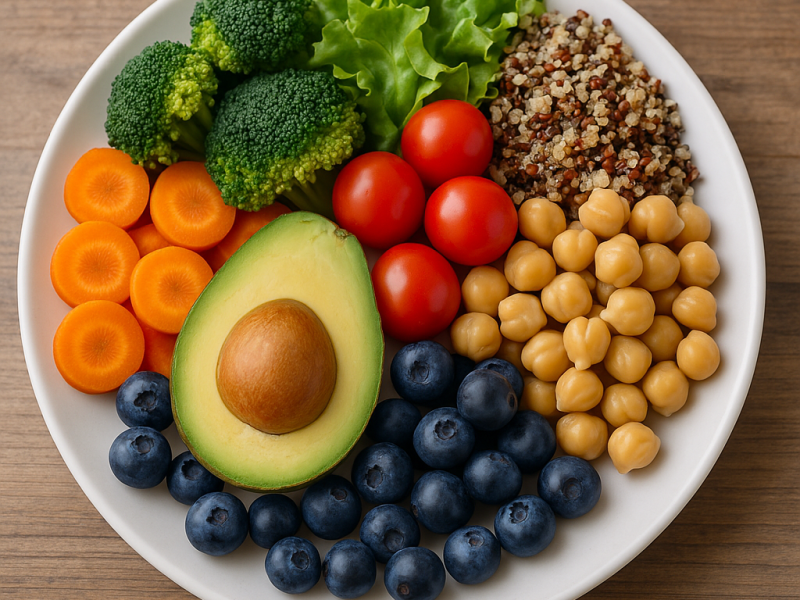
Why “A Little of Everything” Is Sabotaging Your Health
You don’t need to fight your cravings—you need to understand them. When you stop feeding your body fake foods and start listening to what it truly needs, the struggle begins to fade. This isn’t a diet. This is a return to yourself.

Goodbye Oats, Hello Buckwheat: A Nutritional Upgrade
Oats are everywhere. They’re in your breakfast, your “healthy” snacks, even your milk. But are they really doing your body any favors?
Rambam’s Principles for Healthy Eating
Rambam’s principles for optimal digestion and well-being emphasize moderation, balance, and mindful eating. He advocates for proper digestion through slow eating, pairing vegetables with carbohydrates, minimizing snacking, and allowing gaps between meals. Additionally, he suggests avoiding late-night eating and drinking water before or after meals to enhance digestive health.

Strength Training: Your Secret Weapon Against Pre-diabetes
Prediabetes is a warning sign for type 2 diabetes, urging lifestyle changes. Strength training is vital, as it improves insulin sensitivity, raises metabolism, enhances glucose storage, reduces inflammation, enhances body composition, and nurtures mental well-being.

Mastering Emotional Eating: How to Train Your Brain for Healthier Responses
The amygdala, deep within the brain, processes fear and pleasure, influencing emotions and decision-making. Training it can help manage emotional eating by increasing awareness, practicing mindfulness, reframing thoughts, and developing healthy coping mechanisms, leading to improved mental well-being and resilience.

Self-Control as a Choice Based on Values
Self-control isn’t just about restraint; it’s a reflection of our deepest values. It defines how we navigate change, particularly in overcoming challenges like emotional eating. Here are four distinct approaches to tackling this issue: 1. The Diet Approach: This method hinges on measurable outcomes like weight loss. It revolves around food choices, calorie counts, and the discipline…

Unlocking the Power of Chewing: The Key to Optimal Digestion
The mouth kickstarts digestion by breaking down food and mixing it with enzymes. Eating is primarily about absorbing the nutrients essential for our health, and chewing food thoroughly helps in this process. Having a complete set of teeth, properly aligned with good saliva flow, and healthy jaw joints are crucial for optimal digestion’s first step. …

